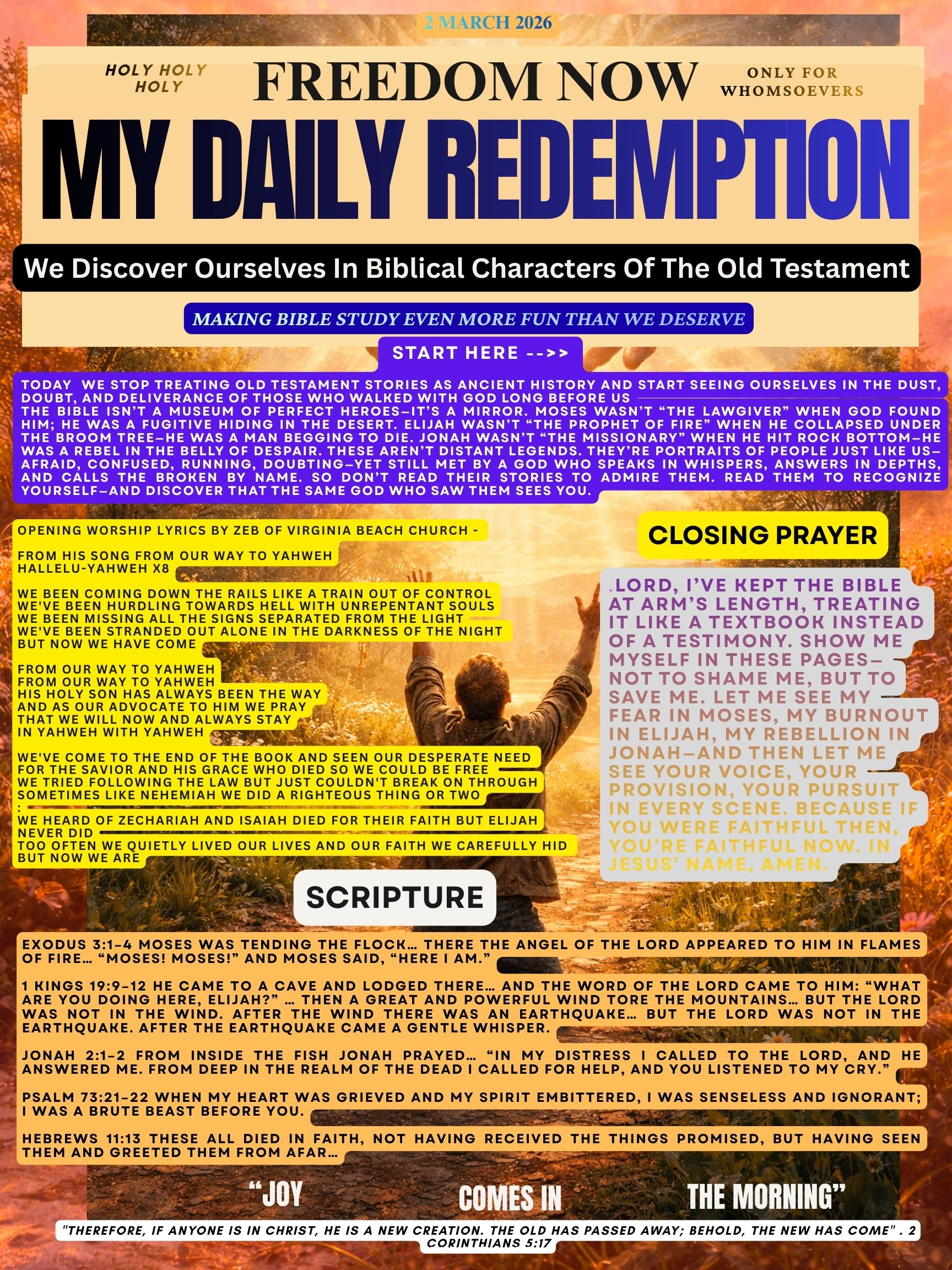

One of the most breathtaking things about the Bible is how honest it is about its heroes. In so many religions and ancient stories, the great figures become the center — flawless, untouchable, almost mythic. But Scripture does something completely different. It lifts up real people, with real strengths and real failures, and then gently moves our eyes past them to Someone greater.
Take David. He’s courageous, poetic, passionate, and deeply devoted to God. But the Bible never lets us turn him into the point of the story. It shows his victories, but it also shows his sins. It shows his worship, but also his weakness. And then Jesus steps onto the scene and asks a question that reveals the whole pattern: “If the Messiah is David’s son, why does David call Him Lord?”
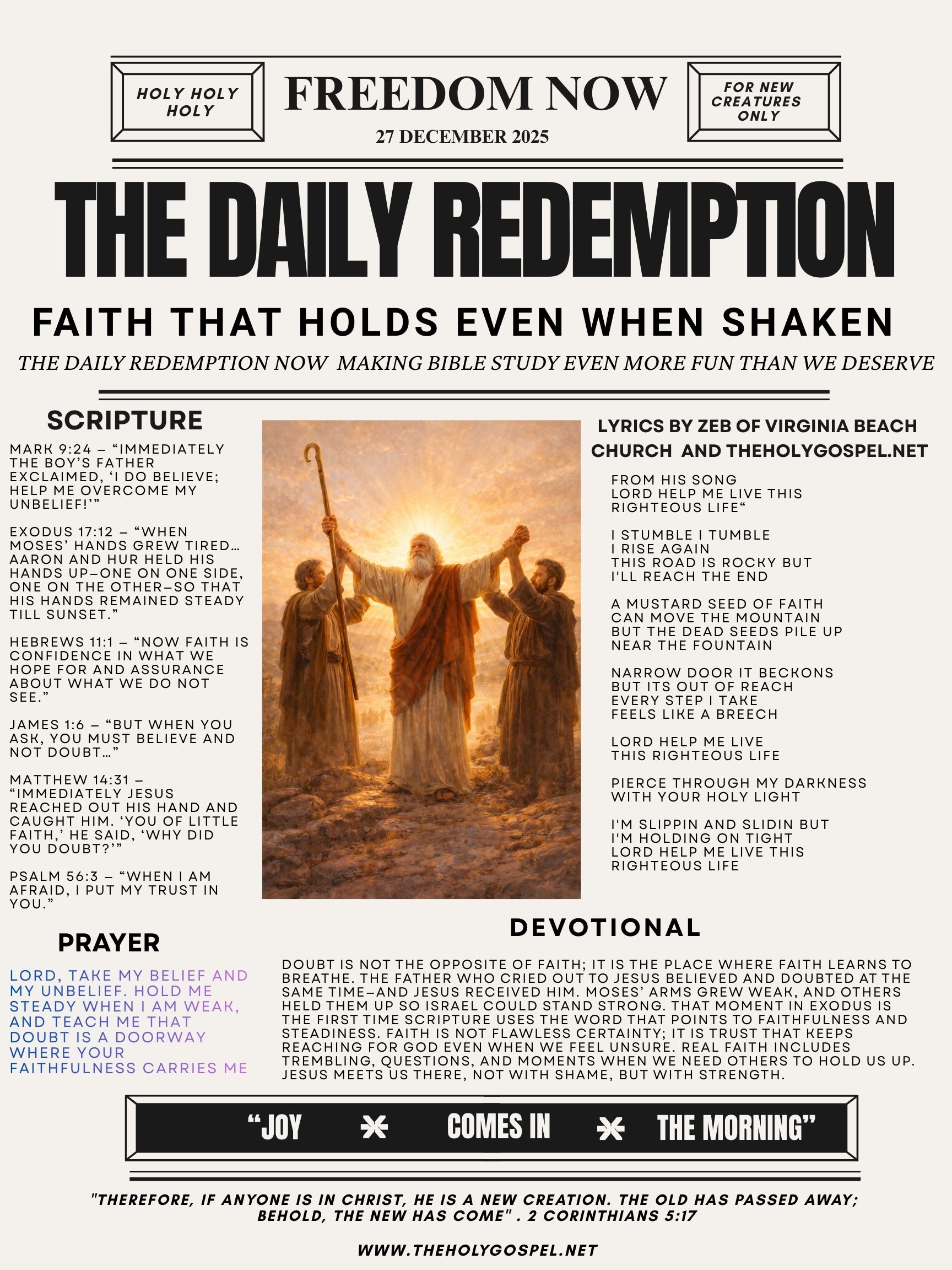
In that moment, Jesus shows us what Scripture has been teaching all along — the heroes are signposts, not destinations. They are examples, not saviors. They are vessels, not the source. Their greatness is borrowed. Their strength is given. Their stories are windows through which we see the true King.
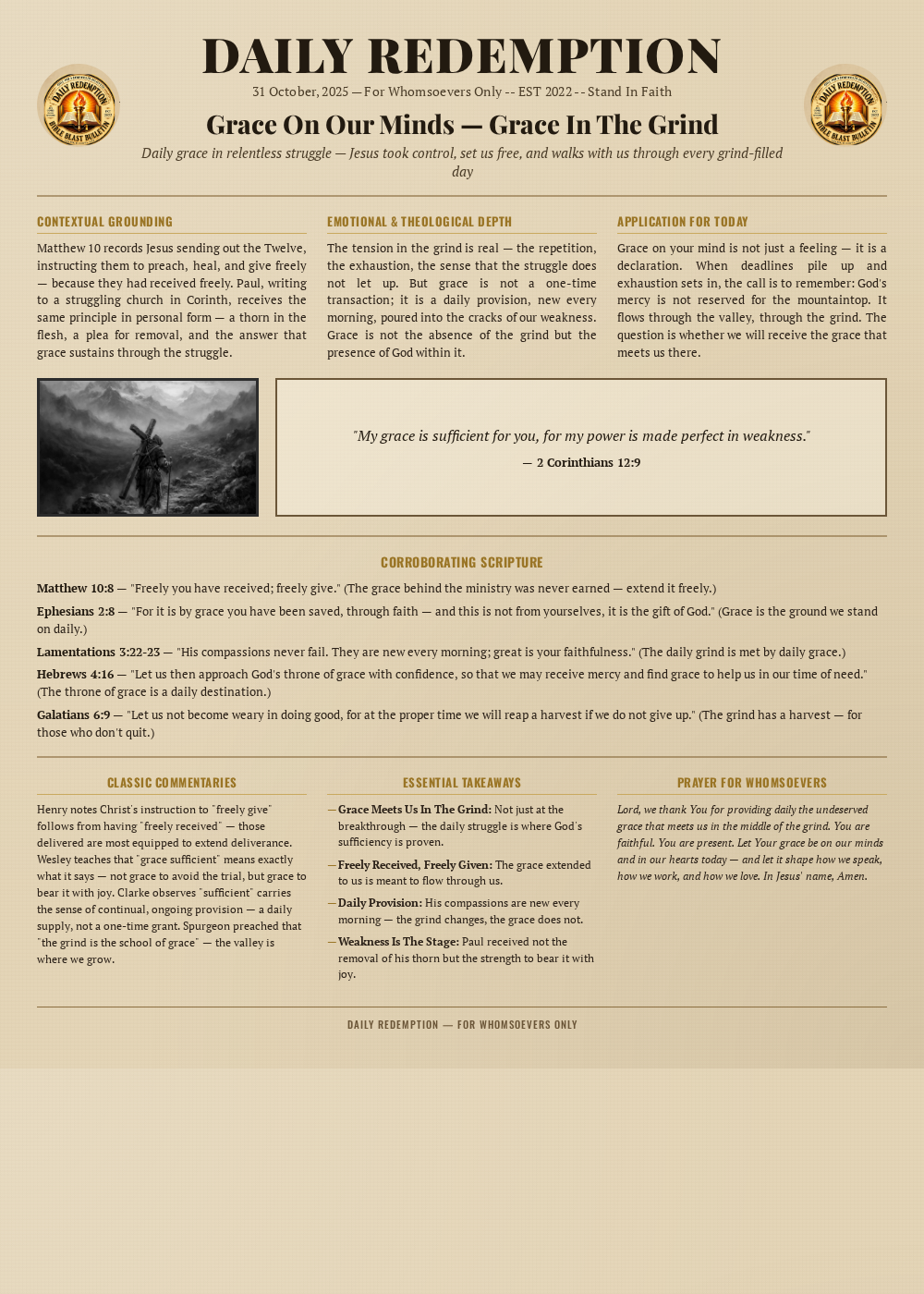
And that’s what makes the Word so magnificent. It doesn’t hide human flaws or pretend its heroes are perfect. It shows us people who rise and fall, who trust and fail, who repent and return — so that we can see the faithfulness of the God who never changes. The Bible honors its heroes, but it never lets them sit on the throne. That place belongs to Jesus alone.
So when we read Scripture today, we don’t just admire David’s courage or Moses’ leadership or Peter’s passion. We let their stories point us to the One who is greater than all of them — the One who leads us, saves us, and transforms us. The beauty of the Bible is that it gives us heroes to learn from, but only one Lord to follow.