Spiritually Fleeing The Lion Into The Peace Of God (Psalm 7)
False Accusations Have Been Filed Against You In to Heaven’s Divine Courtroom, What do you do?
I. SCRIPTURE PASSAGE
Psalm 7:1–17 (A shiggaion of David, which he sang to the Lord concerning Cush, a Benjamite.)
- Contextual Grounding: David faces malicious, false accusations from enemies who hunt him down like a lion.
- Emotional & Theological Depth: Instead of taking personal revenge, he submits his case to God as the supreme Judge of the earth, knowing evil eventually digs its own pit.
- Application: It teaches us to hand over mistreatment and false slander to God’s divine courtroom rather than engaging in personal retaliation.
II. HISTORICAL-REDEMPTIVE ANALYSIS
A shiggaion ( It signifies a wild, passionate, erratic song with fast-shifting tempos. David is a frantic, wandering fugitive running for his life. His emotions are swinging violently from panic to fierce confidence in divine justice, and the music mimics that psychological turmoil.) of David, which he sang to the Lord concerning Cush, a Benjamite. (there was no Cush. It was Kish aka Saul who had falsely accused David of treason, plotting a coup, and trying to murder him. For the full context read 1 Samuel especially 9-26). Here is something to marvel about and admire about David – he was turning his travails into art even with instructions to the music director!
III. CORE COMMENTARY
Verses 1–2
1 Lord my God, I take refuge in you; save and deliver me from all who pursue me,
2 or they will tear me apart like a lion and rip me to pieces with no one to rescue me.
- (Zeb commentary: connects with “Your adversary the devil prowls around like a roaring lion, seeking someone to devour” (1 Peter 5:8) and…)
- [ADDED SCRIPTURE & CHRISTOLOGICAL CONNECTION]: 2 Timothy 4:17 — “But the Lord stood at my side and gave me strength… And I was delivered from the lion’s mouth.” (Just as Paul recognized his rescue from Nero’s court was a divine deliverance from the “lion’s mouth,” David locks his eyes onto God as the sole defense against human predators).
- [ADDED SCRIPTURE & CHRISTOLOGICAL CONNECTION]: 1 Samuel 17:37 — “The Lord who rescued me from the paw of the lion and the paw of the bear will rescue me from the hand of this Philistine.” (David builds his present faith on his past history as a shepherd. The same God who delivered him from physical lions when protecting sheep will deliver him from political lions trying to devour his soul).
- Classics Commentaries – Spurgeon notes that when wicked men use malicious lies to ruin a believer, it is actually the roaring lion of hell trying to break their spirit and tear them apart.
Verses 3–5
3 Lord my God, if I have done this and there is guilt on my hands—
4 if I have repaid my ally with evil or without cause have robbed my foe—
5 then let my enemy pursue and overtake me; let him trample my life to the ground and make me sleep in the dust.
- (Zeb commentary: I had this wrong. It sounded like David was being a bit less bold than usual and inviting God to see if he was in error and he was willing to face the consequences – actually it is a bold challenge in the face of the lord and an imprecation – Hebrews called an imprecation upon oneself (a self-curse))
- Classic Commentary – Matthew Henry writes: “David speaks with such an emphatic tone because he is clearing himself in the high court of heaven.” By saying, “If I have done this… let the enemy trample my life to the ground,” David is dropping a massive legal challenge. He is telling the world that if Saul’s spies are telling the truth, he gladly submits to being destroyed. His tone is emphatic because his innocence is absolute.
Verses 6–9
6 Arise, Lord, in your anger; rise up against the rage of my enemies. Awake, my God; decree justice.
7 Let the assembled peoples gather around you, while you sit enthroned over them on high.
8 Let the Lord judge the peoples. Vindicate me, Lord, according to my righteousness, according to my integrity, O Most High.
9 Bring to an end the violence of the wicked and make the righteous secure—you, the righteous God who probes minds and heart
- (David speaks to the Lord with the authority of one who knows that he is in the Lord’s favor – not that he knew that his “star” would fly on the flag of Israel 2500 years later or more and that he will later have a throne besides Jesus in the millennial reign)
- [CLASSIC COMMENTARY]: Charles Spurgeon marvels at David’s judicial call: “He asks for a full court! ‘Let the assembled peoples gather.’ David doesn’t sneak into a private chamber; he demands a public trial before the cosmos because he knows his hands are clean of treason against Saul.”
Verses 10–15
10 My shield is God Most High, who saves the upright in heart.
11 God is a righteous judge, a God who displays his wrath every day.
12 If he does not relent, he will sharpen his sword; he will bend and string his bow.
13 He has prepared his deadly weapons; he makes ready his flaming arrows.
14 Whoever is pregnant with evil conceives trouble and gives birth to disillusionment.
15 Whoever digs a hole and scoops it out falls into the pit they have made.
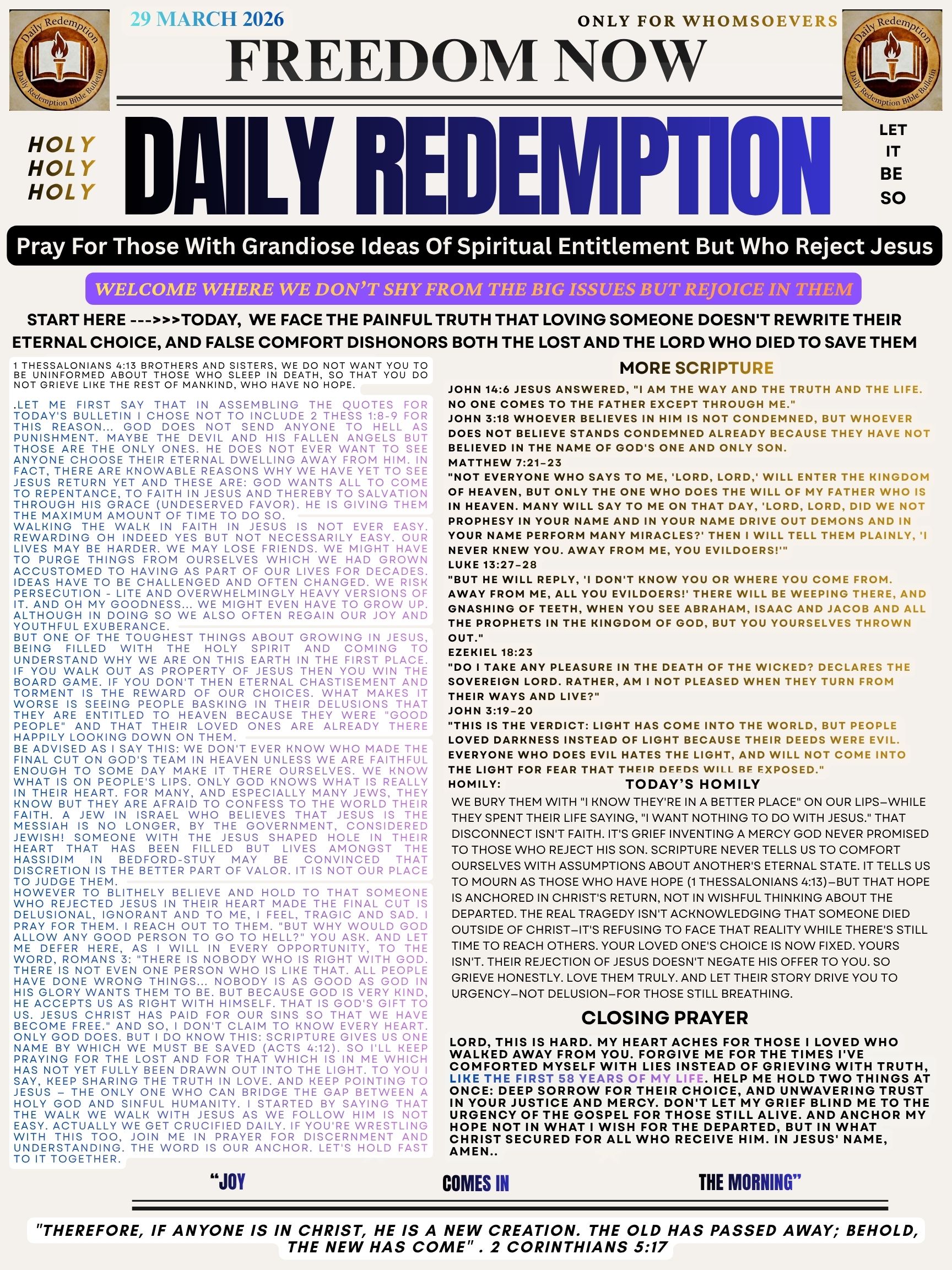
- (Zeb commentary: I do this sometimes to in prayer – speaking about God and speaking to/with God. In the case of David though it is with intention. David in so doing preaches to and reassures himself that the Lord is forever, unchanging and always just. And so David turns. He is now speaking to the jury, not at the bench where the judge sits. As if to say “I have made my case to the King, and now I am reminding myself – and the music director and us, 1000s of years later – exactly who it is I am dealing with.” and so he does through the remainder of the Psalm)
- [CLASSIC COMMENTARY]: Matthew Henry tracks this structural transition perfectly: “David here leaves off praying to God, and returns to preach to himself and warn his enemies. He shifts his face from the Mercy Seat to the public assembly to proclaim the automated, unavoidable justice of the Almighty.”
———-
- (Zeb commentary – in the next two verses David’s spiritual breakthrough, his finding his way through the fear to the peace of the Lord, but not here surpassing his understanding, his peace is because he has remembered who the Lord is and what he can count on about the Lord’s righteousness and justice since David is innocent and in God’s favor)
- [CLASSIC COMMENTARY]: Charles Spurgeon captures the absolute peak of this healing: “Observe the finale! The song began with groans, but it ends with glory. The wandering, panicking fugitive of verse 2 is now a crowned worshiper in verse 17, singing praises not just for mercy, but for the very attribute that scares the wicked—His strict and holy righteousness.”
Verses 16–17
16 The trouble they cause recoils on them; their violence comes down on their own heads.
17 I will give thanks to the Lord because of his righteousness; I will sing the praises of the name of the Lord Most High.
IV. CORROBORATING SCRIPTURE & CHRISTOLOGICAL CONNECTIONS
- 1 Peter 5:8 — “Your adversary the devil prowls around like a roaring lion, seeking someone to devour.” (Connecting David’s physical predator with our ultimate spiritual accuser)
- 2 Timothy 4:17 — “But the Lord stood at my side and gave me strength… So I was rescued from the lion’s mouth.” (Paul’s historic testimony echoing David’s absolute protection from systemic death)
- 1 Samuel 17:37 — “The Lord who rescued me from the paw of the lion… will rescue me…” (Grounding present legal crisis in historic shepherd victories)
- Proverbs 26:27 — “Whoever digs a pit will fall into it; if anyone rolls a stone, it will roll back on them.” (Confirming the automated cosmic boomerang of sin defined in verses 15–16)
- Luke 22:30 — “…and you will sit on thrones, judging the twelve tribes of Israel.” (Christological connection to David’s ultimate millennial authority mentioned in verse 6 context)
V. ESSENTIAL TAKEAWAYS
- The Altar of Art: Learn to transform your heaviest trials, panic, and structural distress into beautiful spiritual expressions and disciplined praise before the Lord.
- The Self-Imprecation: Live with such transparent, fierce integrity that you can confidently drop a legal challenge before heaven, knowing your hands are clean of malice.
- Preaching to the Jury: When panic rises, deliberately shift your focus. Stop begging the Judge and start loudly reminding your own soul, the enemy, and the world exactly who God is.
- The Gravitational Resolution: Rest in absolute quietude knowing that wickedness inherently carries its own downfall—the stone thrown at you will inevitably fall back onto the enemy’s own head.
VI. PRAYER FOR WHOMSOEVERS
Lord please give me a heart and mind like David’s who even under fire reminds himself of who You are and that You work all things for good, temporary circumstances to the contrary observed but not reigning over our hearts and minds and who comes back to his always faithful, always unchanging, always righteous holy nature. In the name of Jesus who made all things possible in righteousness for us we say amen!