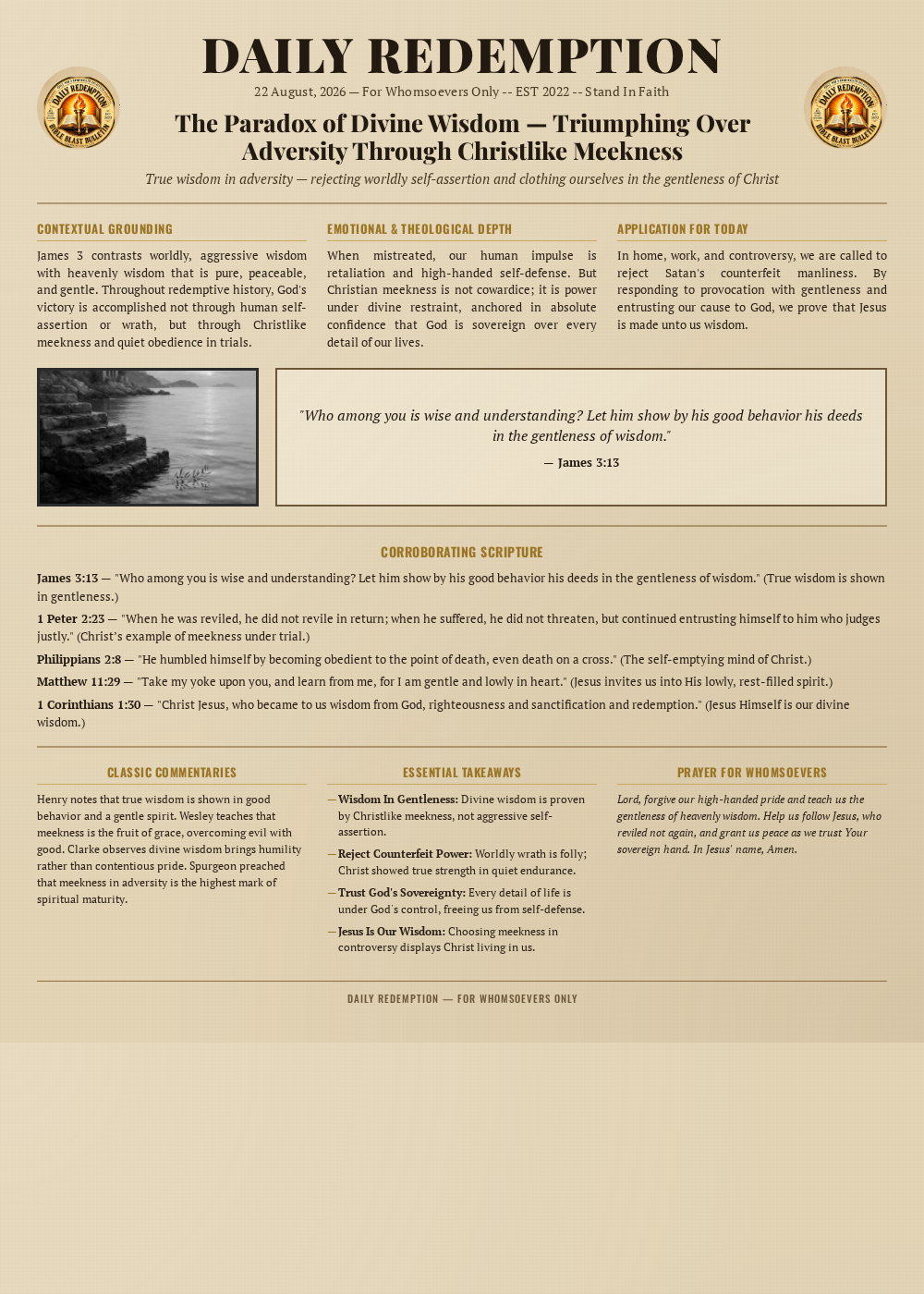
The Paradox of Divine Wisdom — Triumphing Over Adversity Through Christlike Meekness
The Daily Redemption Bible Blast Bulletin — 22 August 2026 — For Whomsoevers Only — EST 2022 — Stand In Faith
True wisdom is not measured by high-handed assertiveness, aggressive self-defense, or worldly dominance, but by the quiet power of Christlike gentleness. When trial and controversy surround us, human nature demands that we retaliate and insist on our rights, yet God calls us to demonstrate heavenly wisdom through meekness and faith. Jesus Christ perfectly embodied this divine ideal, enduring reviling without retaliation and committing Himself entirely to the Father who judges righteously. By rejecting Satan’s false standard of strength and clothing ourselves in the gentleness of wisdom, we prove that Christ is our ultimate wisdom in every season of adversity.
Section I — Scripture Passage
Primary Scripture: James 3:13 — “Who among you is wise and understanding? Let him show by his good behavior his deeds in the gentleness of wisdom.”
Supporting Scriptures:
1 Peter 2:21-23 — “For to this you have been called, because Christ also suffered for you, leaving you an example, so that you might follow in his steps. He committed no sin, neither was deceit found in his mouth. When he was reviled, he did not revile in return; when he suffered, he did not threaten, but continued entrusting himself to him who judges justly.”
Philippians 2:5-8 — “Have this mind among yourselves, which is yours in Christ Jesus, who, though he was in the form of God, did not count equality with God a thing to be grasped, but emptied himself, by taking the form of a servant, being born in the likeness of men. And being found in human form, he humbled himself by becoming obedient to the point of death, even death on a cross.”
Matthew 5:5 — “Blessed are the meek, for they shall inherit the earth.”
Section II — Historical-Redemptive Analysis
Contextual Grounding
In James 3, the apostle addresses a community of believers struggling with destructive speech, rivalry, and worldly ambition. In the ancient Greco-Roman world, as in modern society, wisdom was commonly equated with rhetorical dominance, self-promotion, and aggressive self-assertion. James radically overturns this worldly paradigm by defining true, heavenly wisdom through holy character and meekness. Tracing this theme across redemptive history, God’s redemptive work has never been accomplished through human pride or wrath, but through the humble obedience of the Lord’s Servant. From Old Testament wisdom literature to the cross of Calvary, God consistently contrasts the folly of worldly aggression with the quiet, victorious strength of divine meekness.
Emotional & Theological Depth
When believers encounter hostility, unjust criticism, or difficult trials, our immediate emotional reflex is often self-preservation and fiery retaliation. We fear that responding with gentleness will be mistaken for weakness or cowardice. However, biblical meekness is not passive weakness; it is power held under divine restraint. Theological analysis reveals that high-handedness springs from unredeemed pride and a underlying fear that God will not vindicate us. Conversely, Christlike gentleness flows from deep confidence in divine providence: the unwavering conviction that every detail of our life is under God’s sovereign control, rendering human wrath both unnecessary and unwise.
Application For Today
Practicing the gentleness of wisdom demands an intentional daily posture in our families, workplaces, and public interactions. When controversy brews or personal provocations occur, the world urges us to push back with equal or greater force. The gospel calls us to break this destructive cycle by exhibiting Christlike meekness—showing our faith through good behavior rather than combative arguments. As we commit our cause to Him who judges righteously, we are liberated from the exhaustion of self-defense and empowered to extend the peaceable, merciful wisdom of heaven to those around us.
Section III — Core Commentary
Wisdom teaches us how to handle adversity.
In his wonderful commentary on the book of James, Robert Johnstone wrote the following about meekness:
That “the meek” should “inherit the earth”—that they bear wrongs, and exemplify the love which “seeketh not her own”—to a world that believes in high-handedness and self-assertion, and pushing the weakest to the wall, a statement like this of the Lord from Heaven cannot but appear an utter paradox. The man of the world desires to be counted anything but “meek” or “poor in spirit,” and would deem such a description of him equivalent to a charge of unmanliness.
Ah, brethren, this is because we have taken in Satan’s conception of manliness instead of God’s. One man has been shown us by God, in whom His ideal of man was embodied; and He, when He was reviled, reviled not again; when He suffered, threatened not, but committed Himself to Him that judgeth righteously: He for those who nailed Him to the tree prayed, “Father, forgive them; for they know not what they do.” The world’s spirit of wrath, then, must be folly; whilst than a spirit of meekness like His, in the midst of controversy, oppositions, trials of whatever kind, there can be no surer evidence that “Jesus is made of God to His people wisdom” (The Epistle of James [Minneapolis: Klock & Klock, 1978], 272-273).
Johnstone recognized more than a hundred years ago what we need to know today—that the wisdom of man is arrogant, conceited, and self-serving, whereas the wisdom of God is humble, meek, and non-retaliatory.
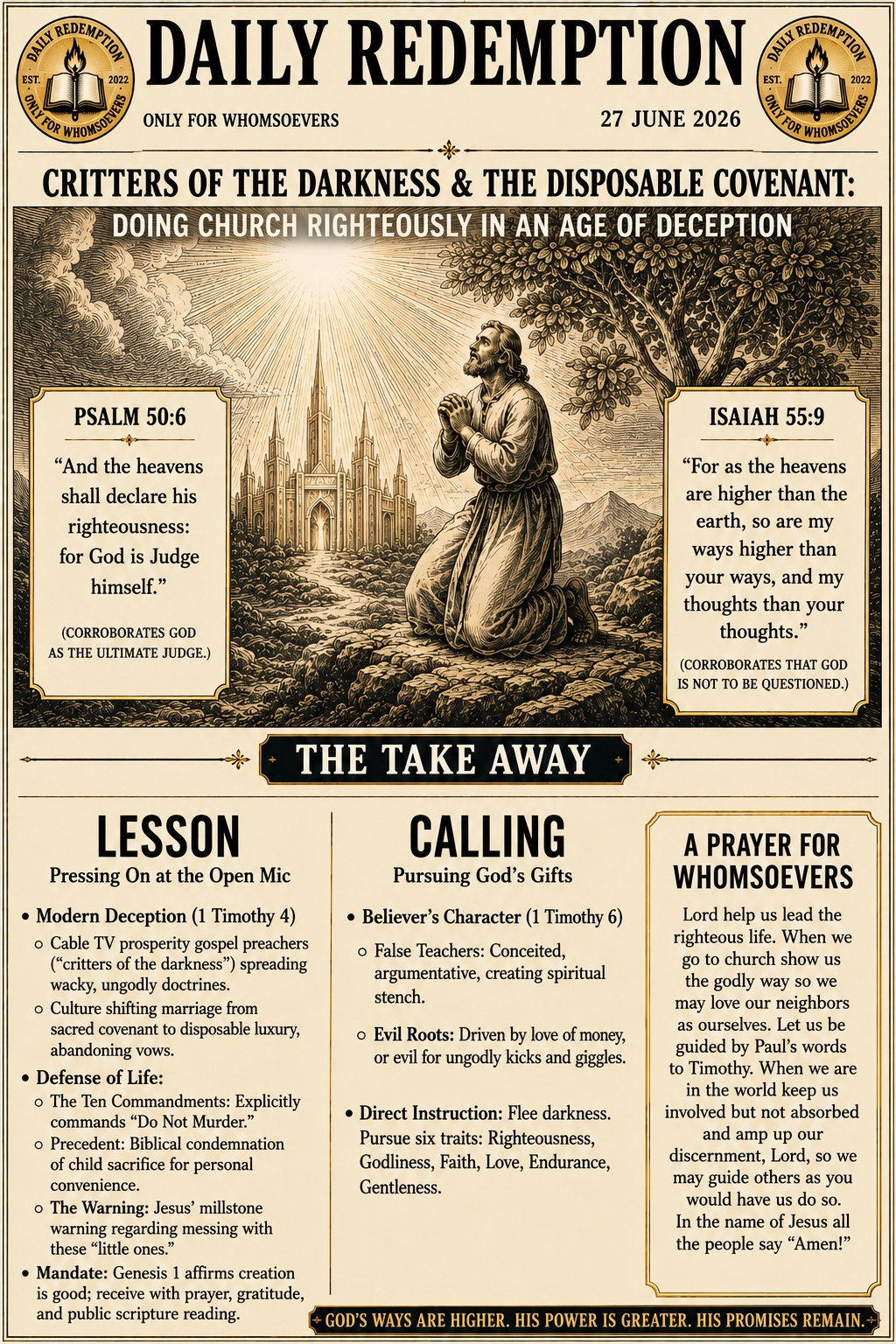
The contrast between false wisdom and true wisdom is crystal-clear. Be sure you handle adversity in a Christlike way, knowing that every detail of your life is under God’s sovereign control.
Section IV — Classic Commentaries Corner
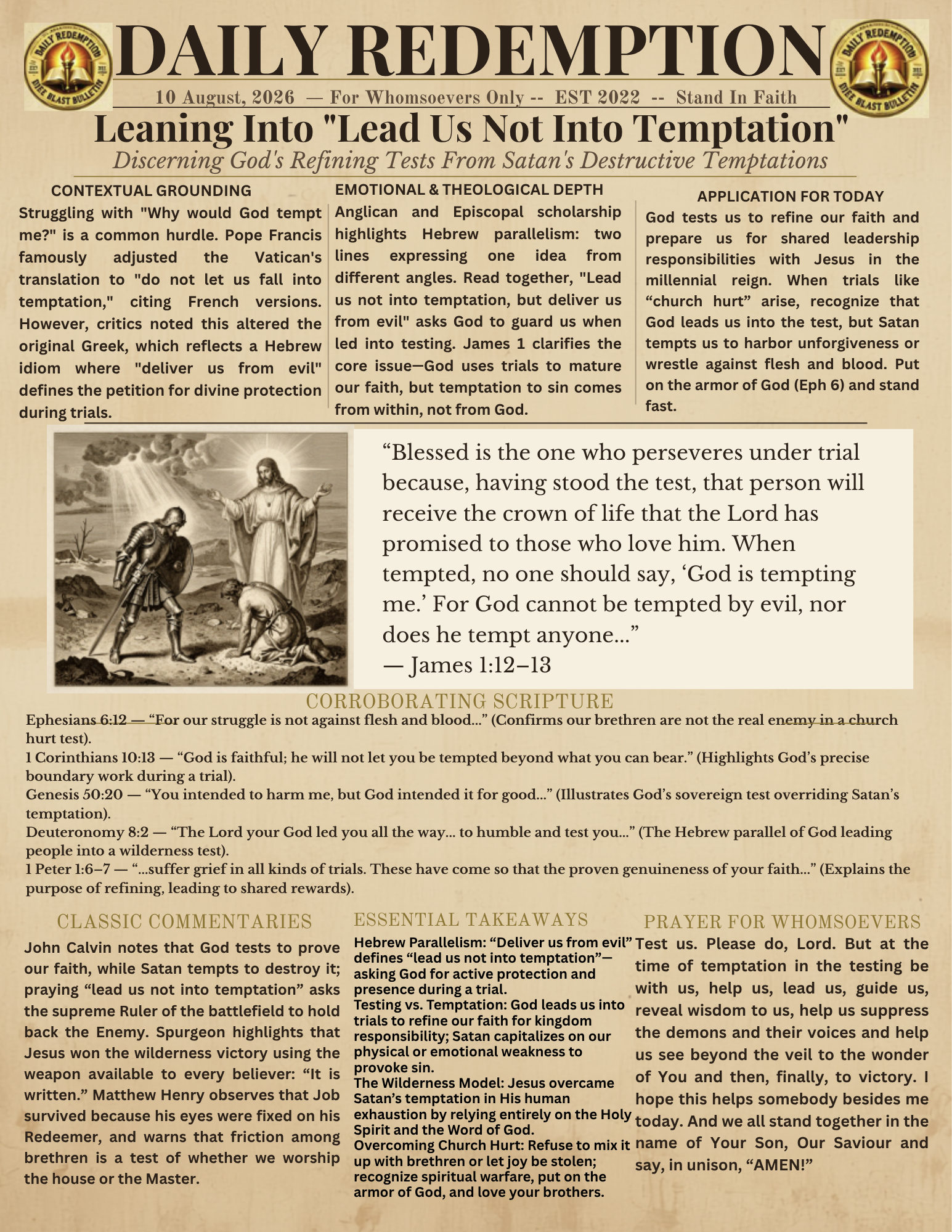
Matthew Henry notes that true wisdom reveals itself not in high-sounding intellectual claims or fierce debates, but in “good behavior” characterized by gentleness. Henry stresses that the meekness of wisdom is a grace accessible to every believer, softening the human spirit and enabling Christians to govern their passions even when provoked by harsh treatment or severe adversity.
John Wesley teaches that the gentleness commanded by James is the essential fruit of a heart transformed by divine grace. Wesley emphasizes that true Christian meekness stands directly opposed to all anger, malice, and self-will, demonstrating that those who belong to Christ overcome evil with good by trusting in the present power and providence of God.
Adam Clarke observes that the phrase “gentleness of wisdom” (or “meekness of wisdom”) highlights that true knowledge is always accompanied by humility. Clarke writes that worldly wisdom produces pride, contention, and self-exaltation, whereas heavenly wisdom imparts a quiet, mild, and forgiving disposition that reflects the compassionate nature of God toward all people.
Charles Spurgeon preached that meekness in adversity is the highest mark of spiritual maturity. Spurgeon noted that anyone can react with anger when mistreated, but only those empowered by the Holy Spirit can remain calm, forgiving, and quiet under injury, proving that their faith rests in God’s ultimate justice rather than human strength.
G.K. Chesterton wrote that Christianity’s genius lies precisely in its paradoxes — truths that seem contradictory to worldly reason yet prove profoundly true. In What’s Wrong with the World, he declared: “The Christian ideal has not been tried and found wanting. It has been found difficult and left untried.” This is the paradox of meekness: the world sees gentleness as weakness, yet the meek alone inherit the earth. Chesterton recognized that Christ’s call to meekness is not a soft compromise but the hardest demand ever placed on the human soul — power held under divine restraint, strength surrendered to a higher court.
Section V — Corroborating Scripture & Christological Connections
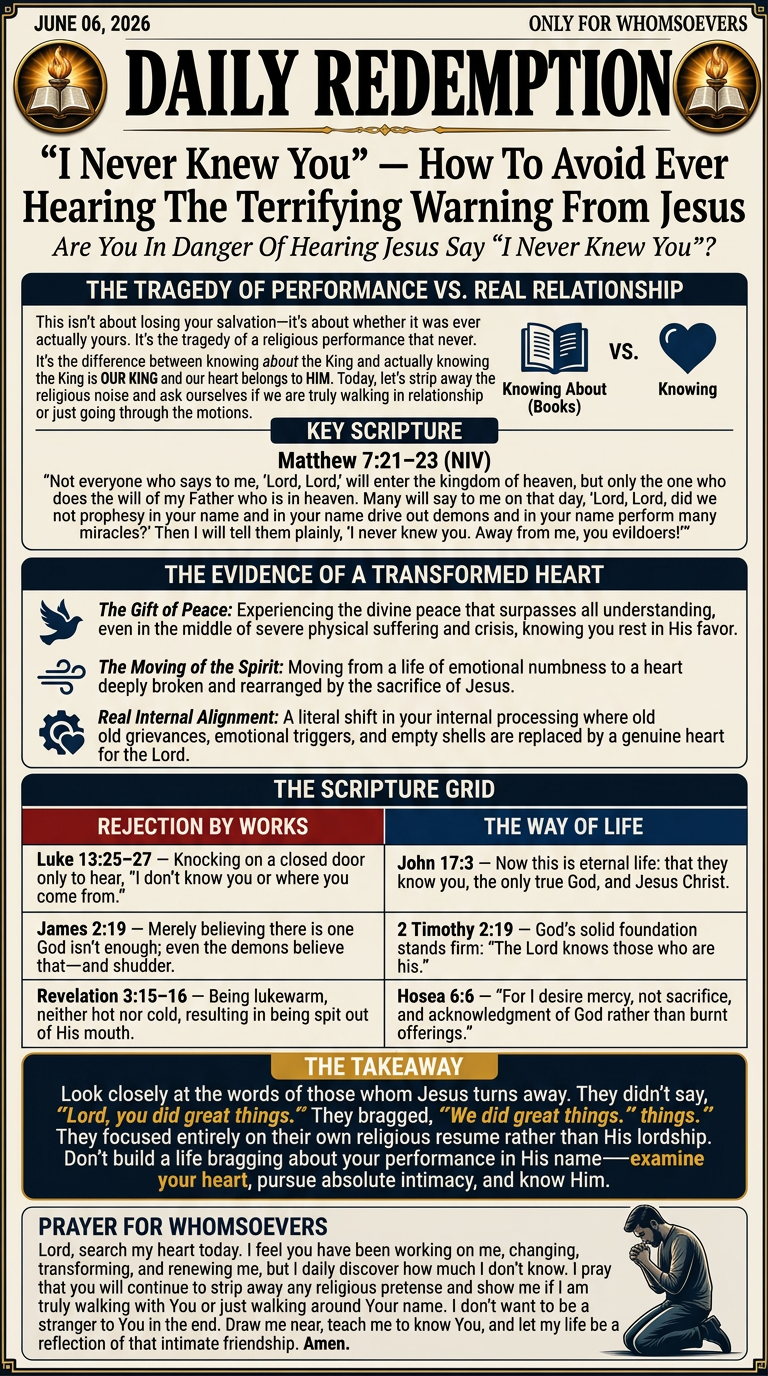
1 Peter 2:21-23 — “When he was reviled, he did not revile in return; when he suffered, he did not threaten, but continued entrusting himself to him who judges justly.” (Christ’s endurance of the cross provides the supreme pattern for non-retaliatory meekness in trials.)
Philippians 2:5-8 — “Have this mind among yourselves, which is yours in Christ Jesus, who… humbled himself by becoming obedient to the point of death, even death on a cross.” (True wisdom is displayed through voluntary self-humbling rather than grasping for status or self-assertion.)
Matthew 11:29 — “Take my yoke upon you, and learn from me, for I am gentle and lowly in heart, and you will find rest for your souls.” (Jesus explicitly invites all to learn His gentle, meek posture as the source of true rest in a turbulent world.)
1 Corinthians 1:30 — “And because of him you are in Christ Jesus, who became to us wisdom from God, righteousness and sanctification and redemption.” (Christ does not merely teach wisdom; He is Himself our wisdom made manifest in gentleness.)
Proverbs 16:32 — “Whoever is slow to anger is better than the mighty, and he who rules his spirit than he who takes a city.” (Divine wisdom defines true strength as self-control and quiet restraint under pressure.)
Section VI — Additional Corroborating Scripture
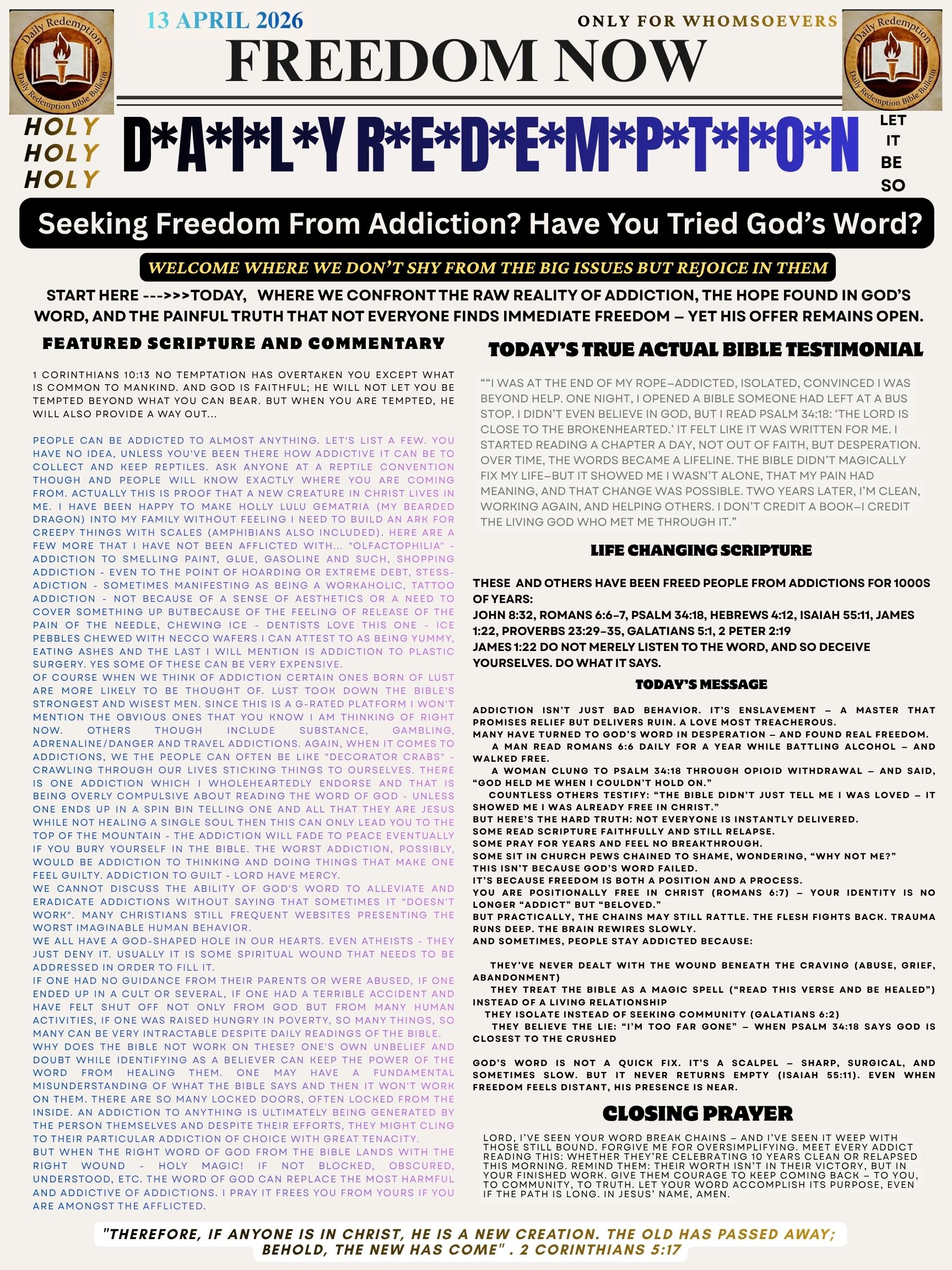
Galatians 5:22-23 — “But the fruit of the Spirit is love, joy, peace, patience, kindness, goodness, faithfulness, gentleness, self-control; against such things there is no law.” (Meekness and gentleness are supernatural fruits produced by the Holy Spirit in every open heart.)
Colossians 3:12-13 — “Put on then, as God’s chosen ones, holy and beloved, compassionate hearts, kindness, humility, meekness, and patience, bearing with one another and, if one has a complaint against another, forgiving each other; as the Lord has forgiven you, so you also must forgive.” (Believers are called to actively clothe themselves in Christlike gentleness and mutual forgiveness.)
Titus 3:2 — “To speak evil of no one, to avoid quarreling, to be gentle, and to show perfect courtesy toward all people.” (Heavenly wisdom directs our daily speech and interactions with unwavering courtesy and peaceableness.)
Psalm 37:11 — “But the meek shall inherit the land and delight themselves in abundant peace.” (The Old Testament promise reaffirmed by Jesus: those who entrust their cause to God will enjoy His enduring peace.)
Section VII — Essential Takeaways
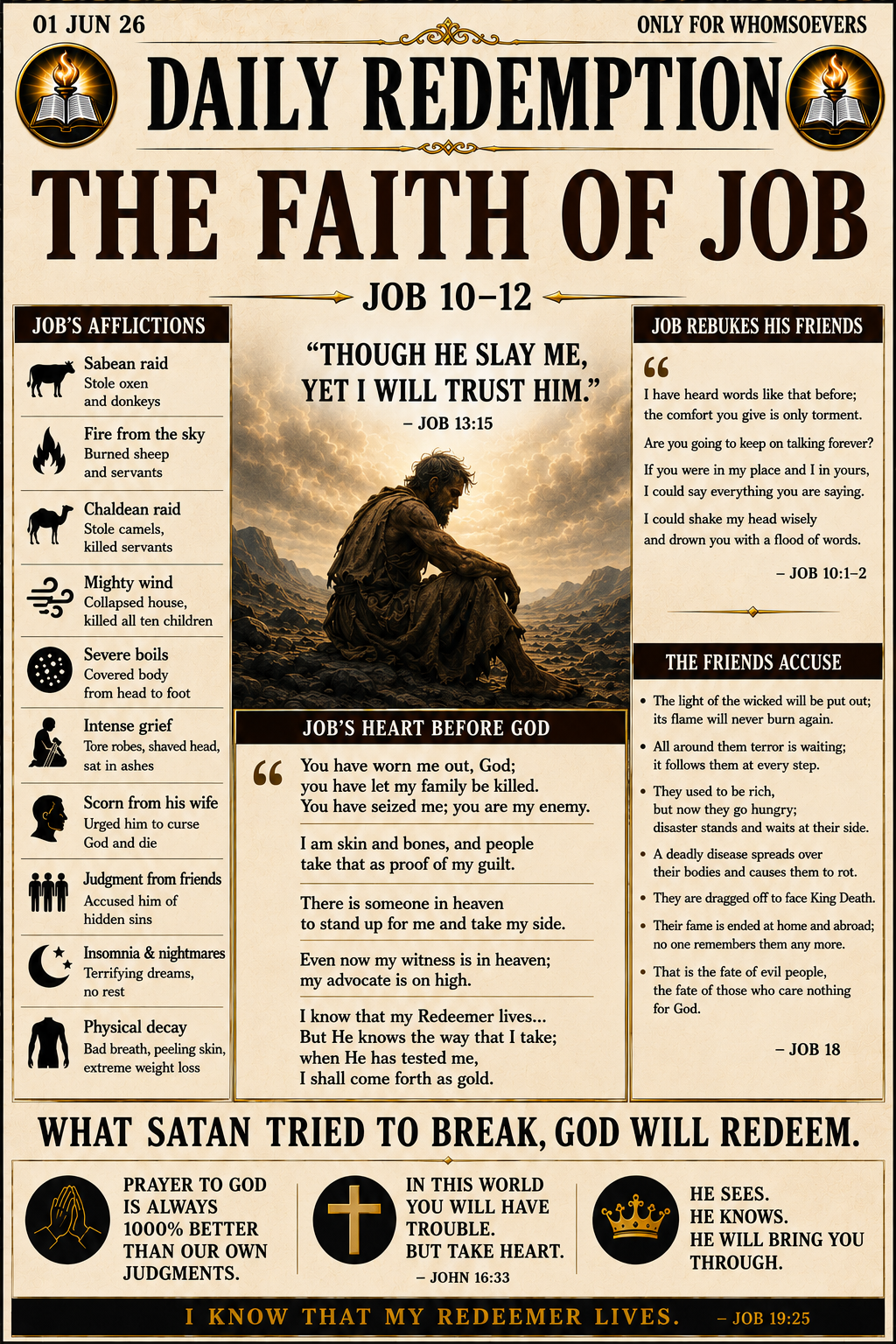
— True Wisdom Is Demonstrated by Gentleness: Divine wisdom is not proven by loud self-assertion or aggressive arguments, but by a quiet, holy life marked by the meekness of Christ.
— Reject Satan’s Counterfeit Manliness: The world equates strength with wrath and retaliation, but God’s ideal of true power was revealed in Jesus, who reviled not again when He suffered.
— Trust in God’s Sovereign Control: We can refrain from self-defense and high-handedness because we know every detail of our lives is held securely in our Father’s hands.
— Christ Is Made Wisdom to Us: When we choose meekness in the midst of controversy and opposition, we provide clear evidence that Jesus is our living wisdom.
— Meekness Inherits Peace: Walking in Christlike gentleness frees us from the torment of self-vindication and brings the quiet confidence of heavenly peace.
Section VIII — Prayer for Whomsoevers
Lord, we thank You for revealing to us the beauty and power of true, heavenly wisdom. Forgive us for the times we have succumbed to the world’s spirit of self-assertion, high-handedness, and wrath. Teach us to follow the example of Jesus, who when He was reviled did not revile in return, but trusted entirely in Your righteous judgment. Fill our hearts with Your Holy Spirit so that in every trial, controversy, and hardship, we may display the gentleness of wisdom. Grant strength to every whomsoever seeking to walk in Your ways today, knowing that our lives are securely held in Your sovereign hands. In the precious name of Jesus, our Lord and Savior, Amen.
Daily Redemption — For Whomsoevers Only — Stand In Faith