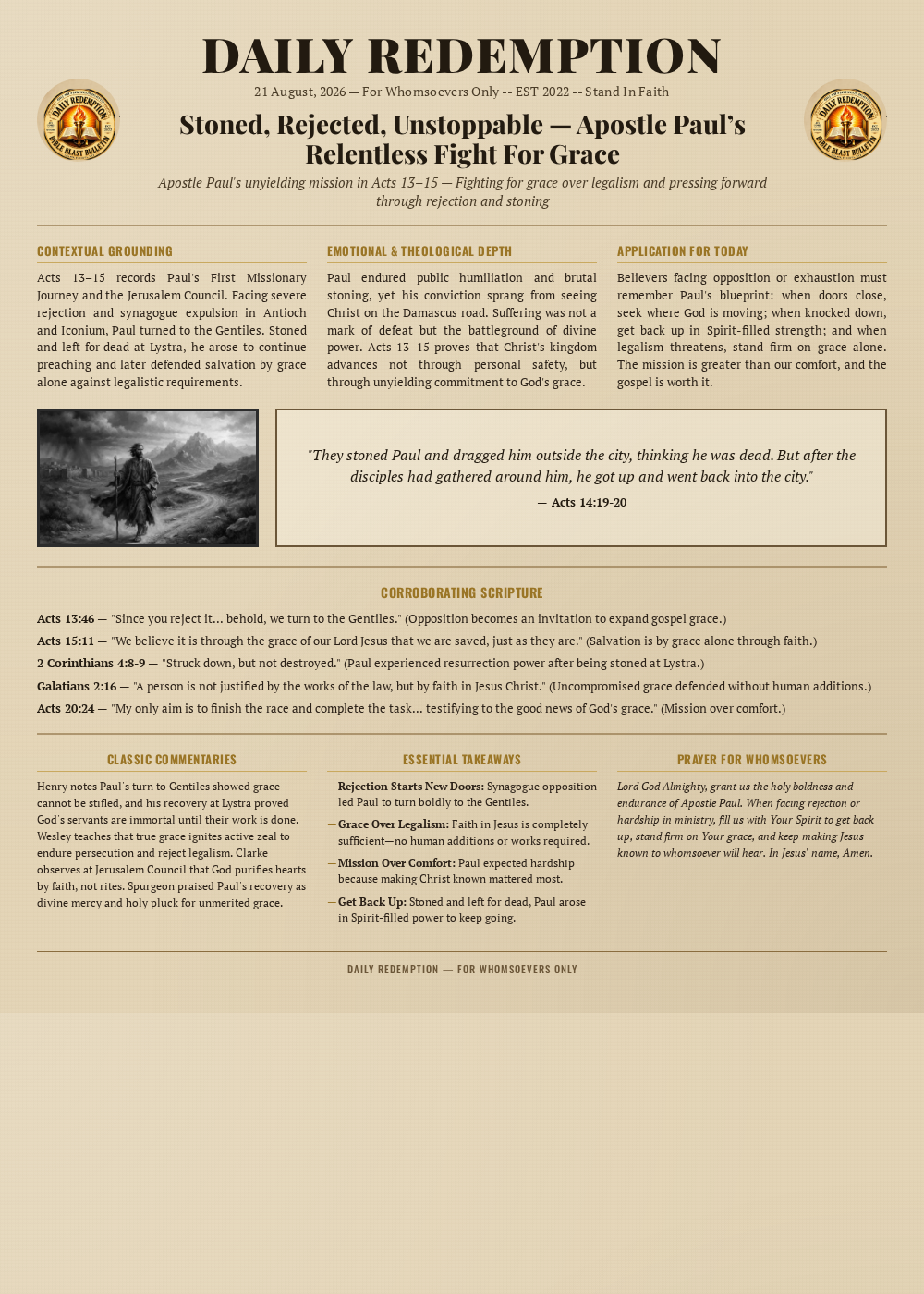
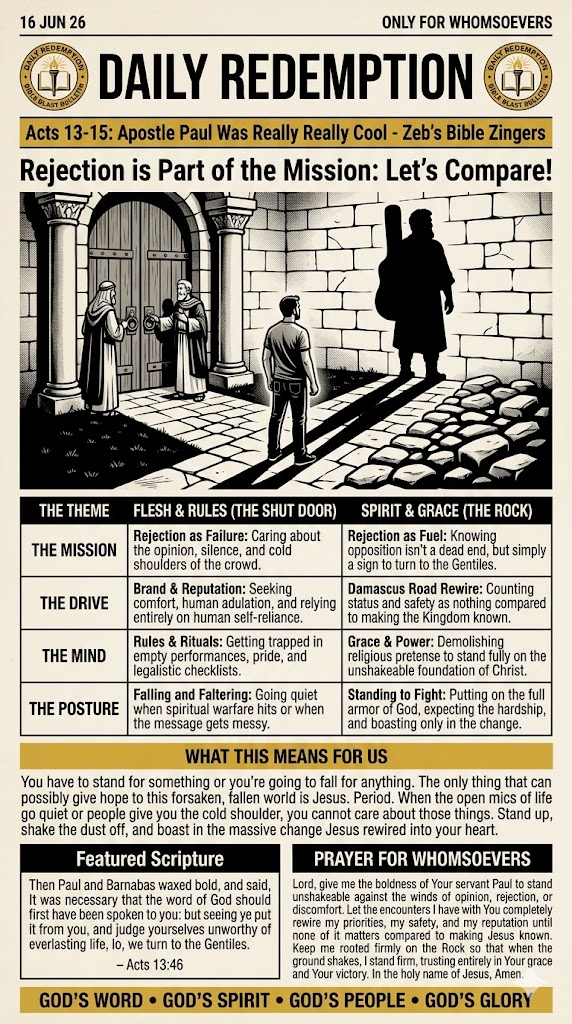
Acts 13:46 Then Paul and Barnabas waxed bold, and said, It was necessary that the word of God should first have been spoken to you: but seeing ye put it from you, and judge yourselves unworthy of everlasting life, lo, we turn to the Gentiles.
CORROBORATING SCRIPTURE
Ephesians 6:11–13, Galatians 1:11–12, 2 Corinthians 11:24–26, Acts 14:19–20
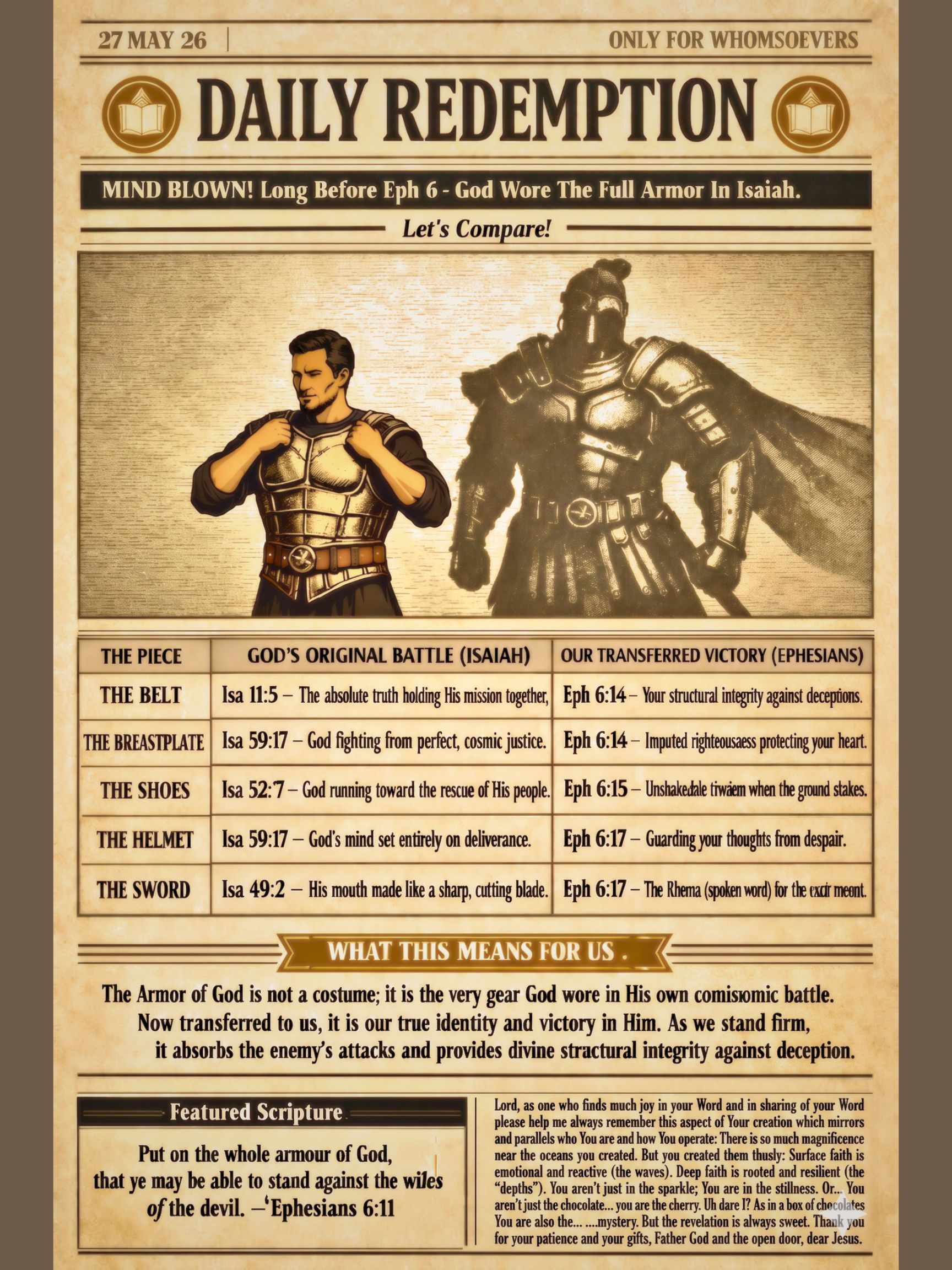
Ephesians 6:11–13 Put on the whole armour of God, that ye may be able to stand against the wiles of the devil. For we wrestle not against flesh and blood, but against principalities, against powers… Wherefore take unto you the whole armour of God, that ye may be able to withstand in the evil day, and having done all, to stand.
Acts 14:19–20 And there came thither certain Jews from Antioch and Iconium, who persuaded the people, and, having stoned Paul, drew him out of the city, supposing he had been dead. Howbeit, as the disciples stood round about him, he rose up, and came into the city: and the next day he departed with Barnabas to Derbe.
A Man Who Knew Rejection Wasn’t Failure
Good evening, beloved citizens of Beach Church. I’m going to talk with you about Acts 13 through 15, and any discussion about Acts 13 to 15 that doesn’t start off like this: Apostle Paul was really, really cool. That was a cool guy. If it doesn’t start off like that, if it doesn’t understand that, then it’s just missing the mark.
I was attending a Messianic synagogue, and there were some beautiful, lovely things about it and some other things that weren’t. One of the times I was sitting down when we all gather around—they had something like that every Saturday, the food was good—I was talking to this guy who had experienced some small degree of persecution at his workplace. What he said to me was, “I have no use for Paul and his books.”
Well, let me tell you a couple things. Acts 13 through 15 shows us a man who knew that rejection wasn’t failure, it was part of the mission. When religious leaders shut the door on Paul, he turned to the Gentiles. When mobs rose up, he moved on. When stones crushed his body, he stood back up and kept preaching.
The Magnitude of Spiritual Warfare
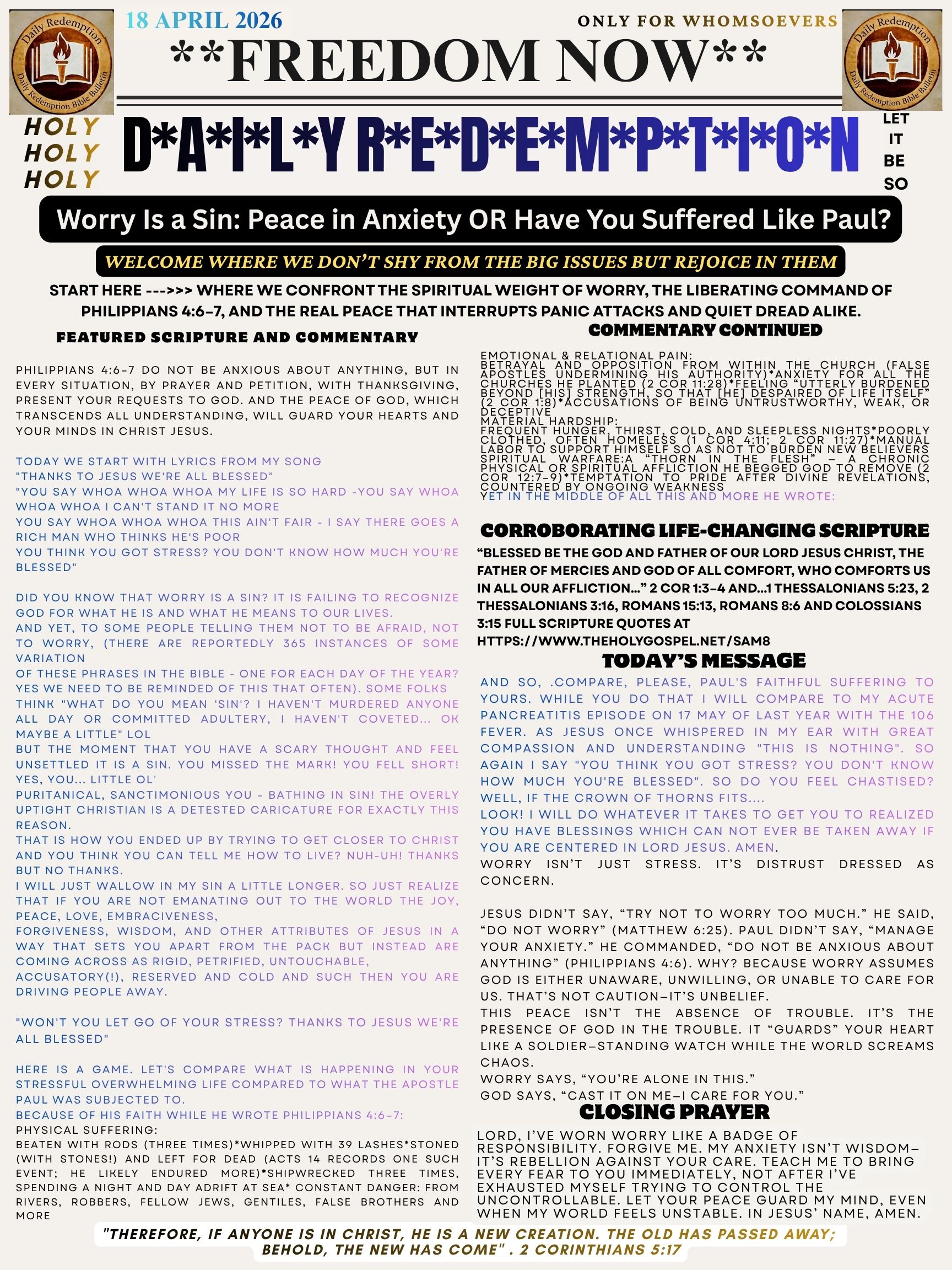
Just keep in mind, how many of us—I mean, I don’t know, I have a special place in my heart for the martyrs. I used to put copies of The Voice of the Martyrs magazine out in the hallway outside of the sanctuary. I know not everybody has the stomach for that, but there’s a lot of that going on right now in Nigeria, for instance. All of these people have suffered in the name of Christ. I think Paul obviously had very big kahunas, if you’ll allow me, and I think the people at Beach Church have that same characteristic, but there’s a lot of Christians who don’t. They don’t really understand the magnitude of what we’re dealing with either. They set themselves up for some degree of spiritual warfare, although the devil isn’t too concerned about them because they’re not really getting it. But it’s a big deal. It’s a big deal that we have to stand for our religion, stand for Jesus. So many times Paul uses the word stand in just the first few verses around Ephesians 6 with the full armor of God. That word stand—so important.
Rewired on the Damascus Road
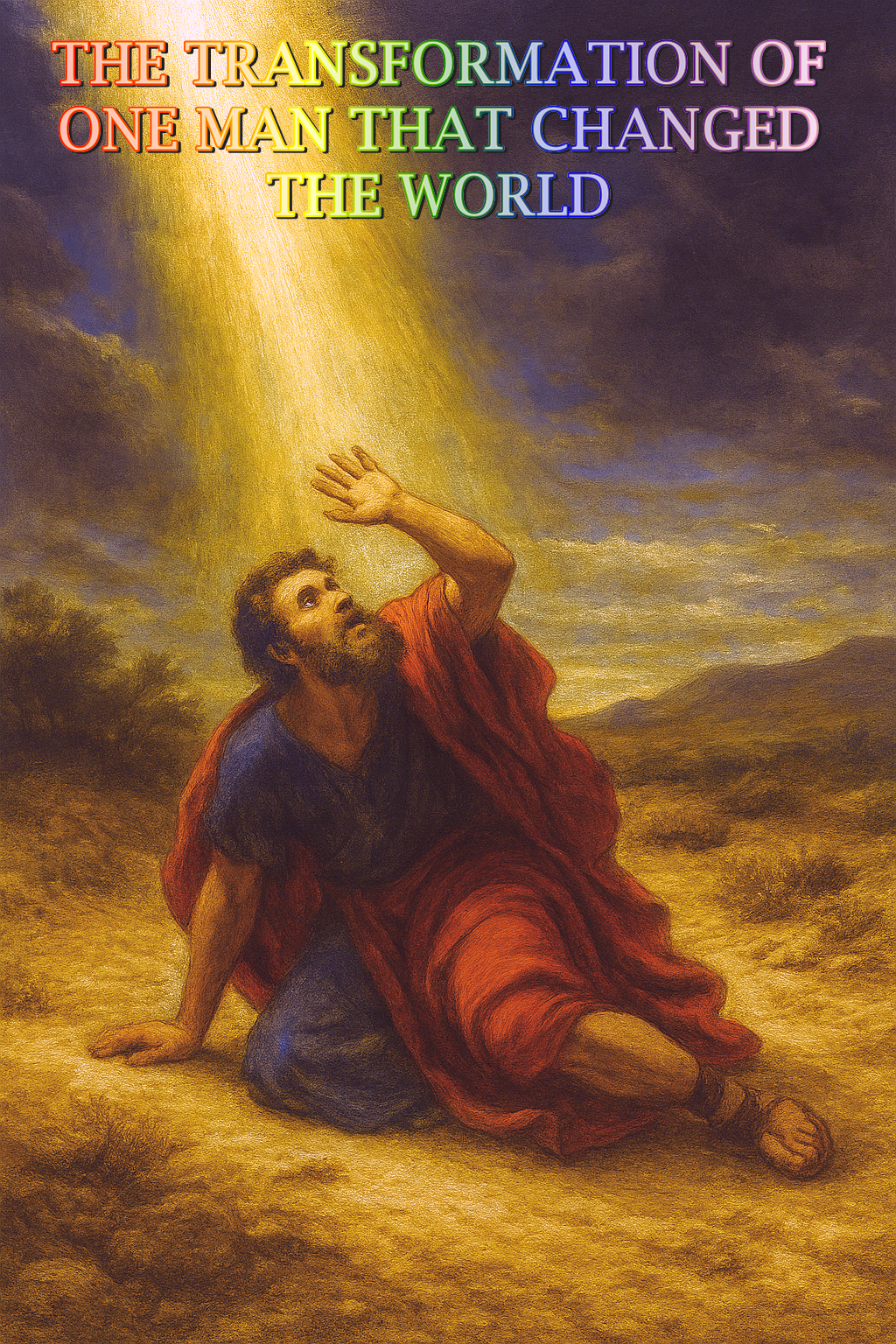
Anyway, this was simply Paul being obedient. When he had seen Christ on the Damascus Road, that encounter rewired everything. His status, his safety, his reputation, none of it mattered compared to making Jesus known. You go home with a bloody nose, okay, you wake up tomorrow morning, feels a little funny, but it’s probably not bleeding anymore, and then you go back out there again. Here’s the part that convicts us today: Paul didn’t just survive hardship, he expected it. He knew suffering was baked into the call, and he went anyway.
When the church wrestled with how Gentiles could be saved—and it’s all about circumcision or not circumcision and all that—Paul fought for grace, not rules. Remember, his background was as one of the leading Pharisees, but he had obviously changed into a new creature, and he said: not rules, not rituals, just Jesus. When Jesus on the Damascus Road said to Paul, “Hey, why are you persecuting me?” Paul didn’t have an answer, and he went blind. Then something like scales fell off of his eyes, and he saw a whole new world. He wasn’t interested in building his brand; he was helping build the kingdom.
Singing About Jesus at the Open Mics
So when ministry gets messy, when the message gets rejected… I’ll tell you, I was at a friend’s wedding several weeks ago now, and there were several people that I know from the place where I go and sing about Jesus at the open mics on Thursday nights, and they didn’t even say hello to me. I know what they were thinking. They were thinking, first of all, “This guy isn’t his friend, the one that’s getting married. What’s he doing here?” Well, actually, he called me and invited me. He wanted me there. He wanted me to bring my guitar. I did bring my guitar; I didn’t stick around to play it, I just thought it was a beautiful day and I was happy for him. But they said not a word, nary a syllable to me during that whole time that I was there, which was several hours.
And you know what? I don’t care. They don’t like that I’m singing about Jesus. They don’t like that I’ve been singing about Jesus in their community for three years. They don’t like that I just kind of showed up from out of nowhere someday, and they’ve been living here all their lives, and who am I to be coming around? Yeah, yeah, yeah, yeah, yeah. I really don’t care. I so much didn’t care. I was just happy to be there and root my friend on.
Standing on the Rock
But now we can’t—we can’t care about these things. We have to go out there. We have to stand for Jesus. You got to stand for something or you’re going to fall for anything. We know that what we’re standing on is the rock. The only thing that can possibly give anybody hope in this forsaken, fallen world is Jesus. Period.
As a matter of fact, they’re singing all this Western music, cultural American music of the West. None of that would exist if it wasn’t for Jesus and the followers. I mean, look at Handel, who wrote Messiah—he was like the leading influence for Beethoven and Tchaikovsky, he influenced all of them. And what was the source of anything that you might be listening to on the radio from the 1950s on? I’m using the word because it’s a technical description: the Negro spirituals, the black hymns, the music of black jazz gospel groups like the Swan Silvertones, or Sister Rosetta Tharpe—she was a real originator of rock and roll even before Chuck Berry. All of the music that they’re playing on Thursday night, they could at least say thank you to Jesus, because they wouldn’t even have that music to play if it wasn’t for him.
Boasting in the Change
So Paul didn’t just endure his suffering. He boasted about it, but he wasn’t boasting about himself. He was boasting about the change that Jesus had put into him, into his heart. And that’s something you can do any day of the week and twice on Sunday. The gospel is worth that. It’s worth it to me, and I believe that it’s worth it to you. Stand up for Jesus.
Now I’m going to show you a presentation. I just talked for 10 minutes; this is about another minute, so I hope you enjoy it.
God bless you all.
PRAYER FOR WHOMSOEVERS
Lord, give me the boldness of Your servant Paul to stand unshakeable against the winds of opinion, rejection, or discomfort. Let the encounters I have with You completely rewire my priorities, my safety, and my reputation until none of it matters compared to making Jesus known. Keep me rooted firmly on the Rock so that when the ground shakes, I stand firm, trusting entirely in Your grace and Your victory. In the holy name of Jesus, Amen.